
Infection Control
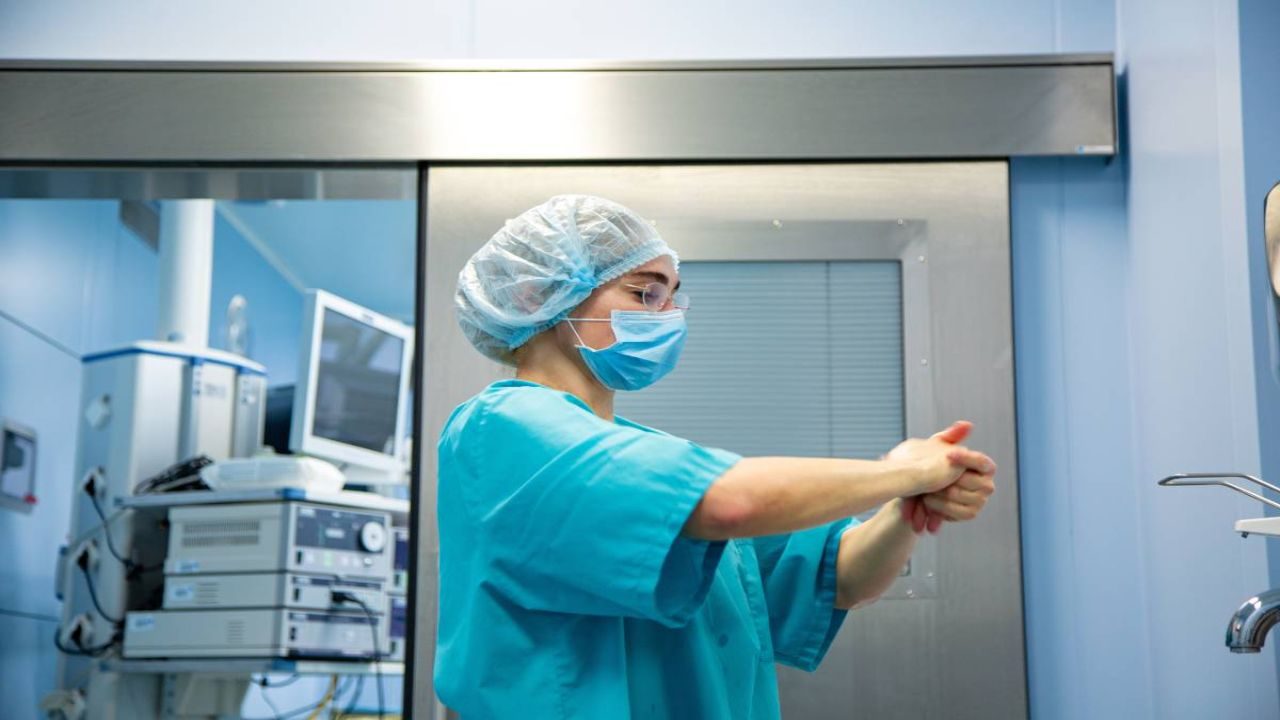
One of the most critical aspects of healthcare cleaning is infection control. Those who provide medical cleaning services must understand how infections spread and the measures needed to prevent them. This includes knowledge of various types of pathogens, such as bacteria, viruses, and fungi, and how they can be transmitted through surfaces and equipment. Cleaners must learn the importance of high-touch areas, such as doorknobs, bed rails, and light switches, which require frequent and thorough disinfection to prevent the spread of infections.
Effective infection control also involves using appropriate cleaning agents and disinfectants. Cleaners need to know which products are effective against specific pathogens and how to use them correctly. This includes understanding the contact time required for disinfectants to be effective, proper dilution ratios, and safe handling practices to protect themselves and others from chemical exposure. Mastering these skills is essential for maintaining a safe and hygienic healthcare environment.
Knowledge of Cleaning Protocols and Procedures
Healthcare facilities follow strict cleaning protocols and procedures to ensure consistent and thorough cleaning. Aspiring healthcare cleaners must familiarize themselves with these protocols, which outline the specific steps and frequency of cleaning required for different areas within a facility. This includes understanding the distinction between routine cleaning, terminal cleaning, and outbreak cleaning, each of which has its own set of guidelines and requirements.
Adherence to these protocols is crucial for maintaining high standards of cleanliness and preventing cross-contamination. Cleaners must also learn how to document their cleaning activities accurately, keeping detailed records of the areas cleaned, the products used, and the time of cleaning. This documentation is essential for accountability and for tracking compliance with regulatory standards. By following established protocols and procedures, healthcare cleaners play a vital role in ensuring a safe environment for patients and staff.
Proper Use of Cleaning Equipment
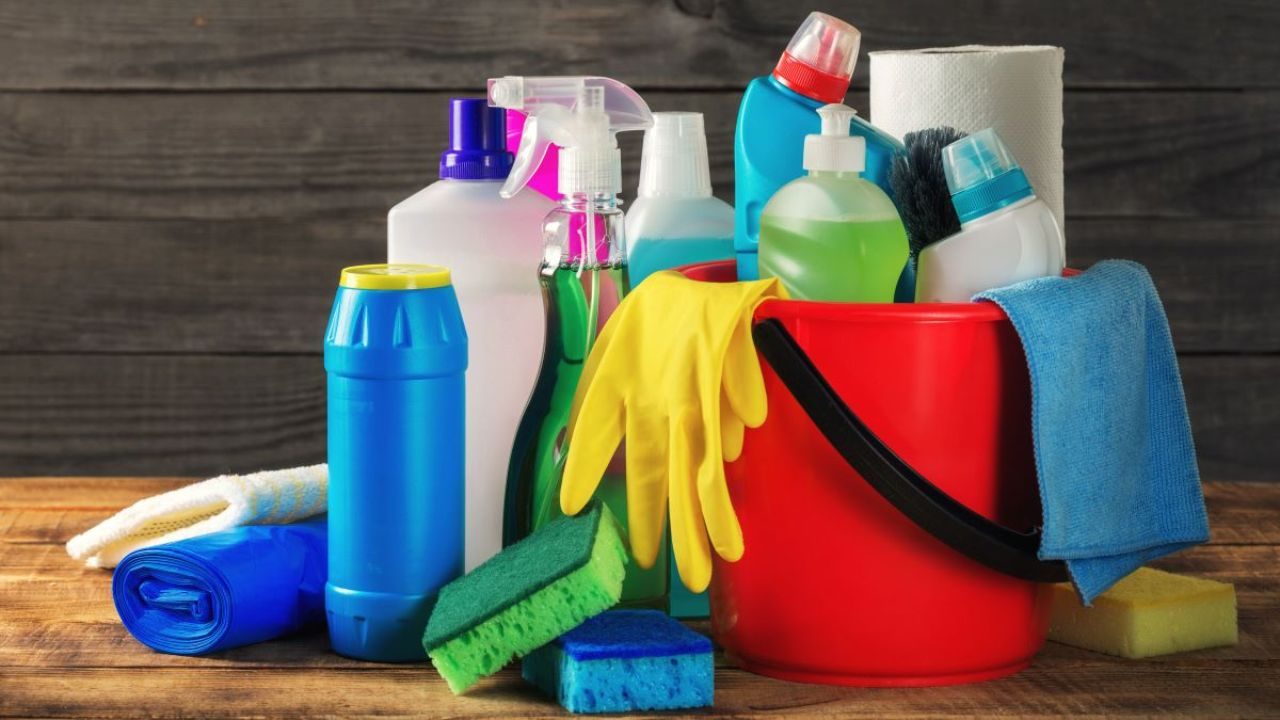
Healthcare cleaners must be proficient in using various cleaning equipment to perform their tasks effectively. This includes knowledge of how to operate and maintain machines such as floor scrubbers, steam cleaners, and vacuum cleaners. Proper use of this equipment not only ensures efficient cleaning but also helps prolong the lifespan of the machines and reduces the risk of equipment-related accidents.
Besides mechanical equipment, healthcare cleaners must know how to use manual cleaning tools, such as mops, microfiber cloths, and brushes, correctly. They need to understand the importance of using color-coded cleaning tools to prevent cross-contamination between different areas of the facility. For example, different colors might be designated for cleaning restrooms, patient rooms, and common areas. Mastery of these tools and techniques is essential for maintaining a high standard of cleanliness and hygiene in healthcare settings.
Safety and Personal Protective Equipment (PPE)
Safety is paramount in healthcare cleaning, and understanding how to use personal protective equipment (PPE) is a critical part of the job. Healthcare cleaners must learn about the different types of PPE, including gloves, masks, gowns, and eye protection, and when each type is necessary. Proper donning and doffing techniques are essential to avoid contamination and ensure the PPE provides the intended protection.
Cleaners must also be aware of the potential hazards they might encounter, such as exposure to infectious materials, chemical spills, and sharps. Training in hazard communication and emergency response procedures is vital for ensuring their safety and that of others in the facility. By prioritizing safety and using PPE correctly, healthcare cleaners can protect themselves from harm while effectively performing their duties.
Handling Hazardous Materials
Healthcare facilities generate various types of hazardous waste, including biological, chemical, and pharmaceutical waste. Healthcare cleaners need to understand how to handle, transport, and dispose of these materials safely. This involves learning about the different categories of hazardous waste, proper segregation practices, and the use of appropriate containers and labeling to prevent accidental exposure and contamination.
Training in handling hazardous materials also includes knowledge of spill response procedures. Cleaners must be prepared to respond quickly and effectively to spills, using the correct methods and materials to contain and clean up the spill safely. By mastering these skills, healthcare cleaners can contribute to a safer environment for everyone in the facility.