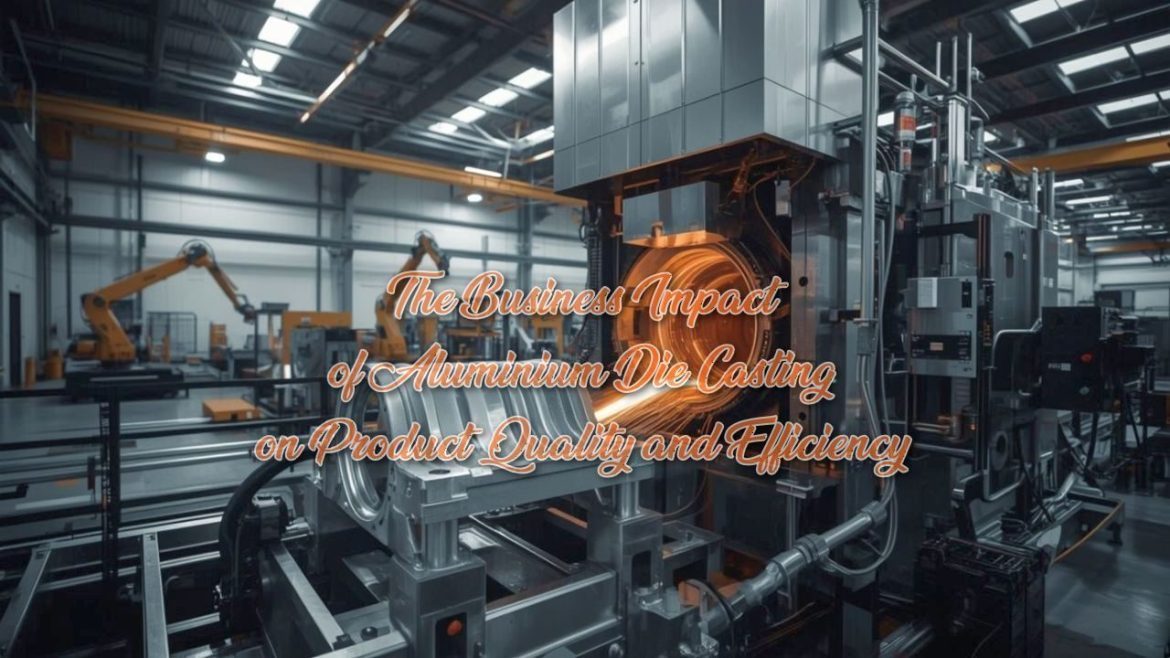

Why Die Casting Changes Quality Outcomes at the Part Level
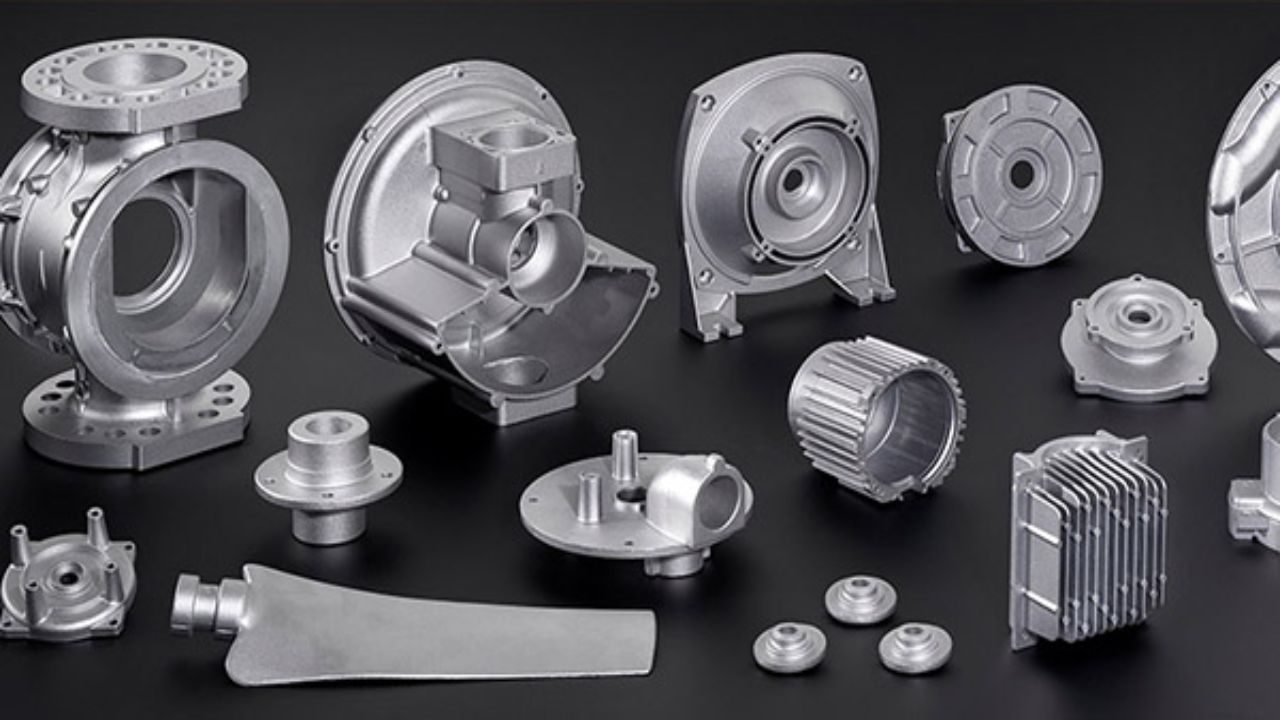
Die casting shifts quality from “inspect and sort” to “build it right from the tool.” A well-designed die, paired with stable melt control and shot parameters, produces parts with highly repeatable geometry. That consistency shows up in practical ways. Assemblies align more easily. Fasteners bite the same way each time. Cosmetic surfaces come out cleaner, so finishing becomes simpler and more predictable.
This consistency also reduces the hidden tax that teams pay when parts vary. Variation creates micro-delays in assembly. Operators pause to adjust fixtures. Technicians chase intermittent fit issues. Quality teams open more tickets. Even if each event feels small, the total effect can slow line speed and push costs upward. Die casting, when tuned correctly, can reduce those “death by a thousand cuts” moments.
Quality also connects to design intent. Many products rely on controlled wall thickness, rib placement, and datum accuracy to meet noise, vibration, and harshness targets. Die casting supports these needs when engineers design for flow, venting, and ejection from the start. When design and process align, the result feels less like luck and more like a repeatable system.
Faster Throughput Without Sacrificing Consistency
Efficiency looks great on a spreadsheet, but leaders care most about predictable output. Die casting supports that kind of reliability because cycle times remain steady once the tool reaches thermal balance and the cell runs with stable control. That stability helps planners forecast capacity with more confidence. It also helps procurement and production teams reduce last-minute expediting.
A key advantage comes from net-shape capability. When a die-cast part leaves the die close to final form, it can skip or reduce multiple downstream steps. Less machining. Less rework. Less manual “touch time.” Teams also gain simpler material flow through the plant because parts move in a more direct path from casting to finishing to assembly.
Efficiency gains also show up in staffing and training. A controlled die casting cell relies on clear setup standards, monitoring, and preventive maintenance. Once those routines are in place, teams can reduce process drift. They spend fewer hours firefighting and more hours improving. That shift matters for businesses that want scalable operations rather than heroic effort.
Lower Total Cost Through Scrap Reduction and Process Control
Many cost problems start as quality problems. Scrap, rework, and customer returns all stem from defects that slipped through the process. Die casting can lower these costs when the operation focuses on prevention, not detection. That means strong gating and runner design, robust venting, stable melt temperature, and disciplined die maintenance. When those fundamentals hold, defect rates often fall and stay down.
Scrap reduction also protects margins during volume ramps. Early production can expose issues like porosity, cold shuts, or dimensional drift. Companies that treat ramp-up as a structured learning phase tend to stabilize faster. They use process capability studies, first-article feedback loops, and tool adjustments that lock in repeatability. They also build simple triggers for corrective action before defects multiply.
Cost control improves when teams track leading indicators, not just final yield. Shot-to-shot consistency, die temperature stability, lubrication control, and trim quality can predict where defects will appear. When managers review those indicators weekly, they prevent drift instead of reacting to it. That makes cost more predictable, which supports pricing strategy and long-term customer contracts.
Design Flexibility That Supports Better Products and Faster Iterations
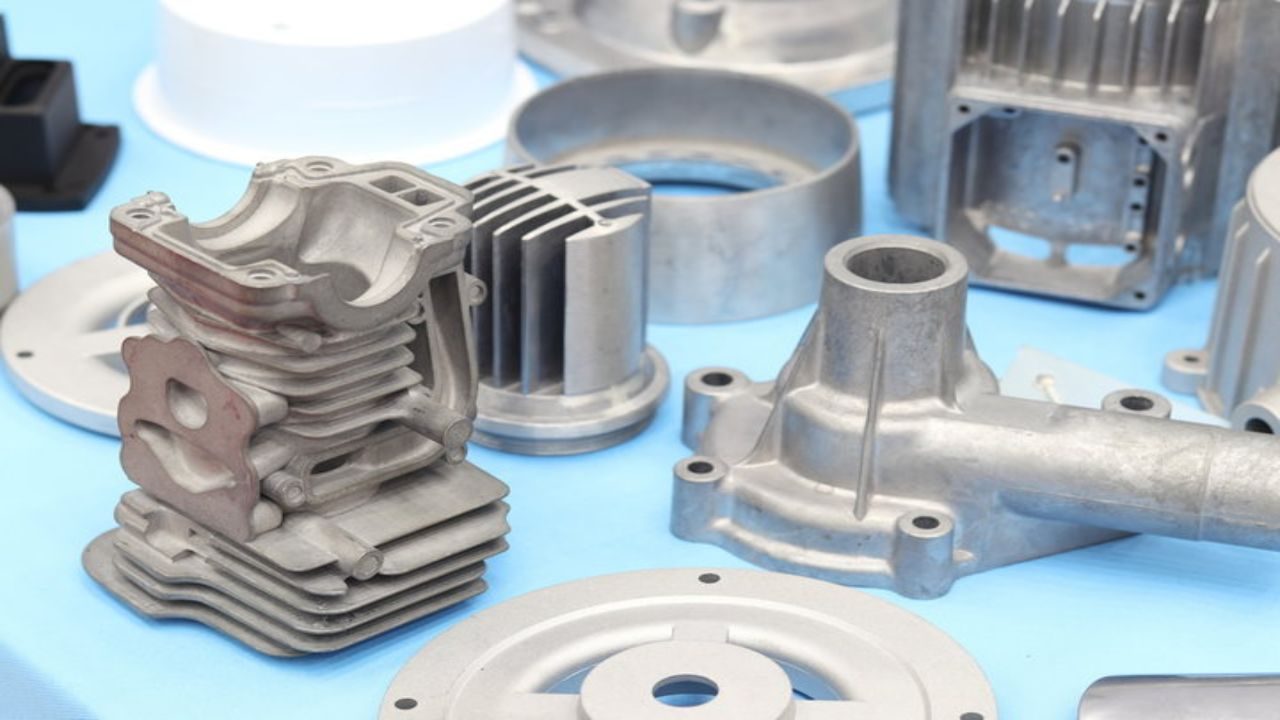
Die casting gives designers freedom to integrate features that would otherwise require secondary operations or multiple parts. Ribs, bosses, mounting points, and complex contours can be cast into a single component. That can simplify assemblies and reduce the number of fasteners, brackets, and welds. Fewer parts usually means fewer failure points, fewer suppliers to coordinate, and fewer drawings to control.
Feature integration also helps product performance. Engineers can place reinforcement exactly where loads concentrate. They can control stiffness, manage heat paths, and reduce vibration by shaping geometry intelligently. That can lead to quieter products, stronger housings, and tighter sealing surfaces. These improvements strengthen customer perception in ways that marketing alone cannot replicate.
Iteration speed improves when organizations treat tooling as a strategic asset. Design for manufacturability reviews, simulation, and early tool trials can shorten the gap between prototype intent and production reality. Teams that invest in tight feedback loops often reduce the number of engineering change cycles. They reach a stable design sooner, which helps launch schedules and reduces late-stage surprises.
Supply Chain and Lead-Time Benefits at Scale
Manufacturing strategy shapes supply chain resilience. Die casting can support a more stable supply chain because it performs well at high volumes with repeatable output. When suppliers run mature casting cells with consistent maintenance and monitoring, buyers gain more dependable lead times and fewer quality escapes. That reliability matters in industries where a single missing component can halt a final assembly line.
Localization can also become easier. Die casting operations exist in many regions, and many suppliers can support ongoing production once a tool is qualified. That can reduce freight exposure and shorten replenishment cycles. It can also improve collaboration between engineering and manufacturing teams because tool changes and process experiments become easier to coordinate.
At the same time, tooling creates a different planning model. Dies require upfront investment and disciplined lifecycle care. Businesses that budget for maintenance, spare inserts, and periodic refurbishment often see stronger long-term results. They avoid the slow decline that happens when tools run past their best condition. That planning mindset supports stable quality and protects customer confidence.
Practical Steps Leaders Can Take to Maximize Business Value
Strong outcomes start with clear goals. Leaders should define what “better” means in measurable terms, like lower defect rates, tighter dimensional capability, faster assembly time, or fewer warranty claims. Those targets shape decisions on tool design, inspection methods, and process monitoring. They also help teams avoid chasing superficial wins that do not move the business forward.
Cross-functional collaboration makes a major difference. Product design, manufacturing engineering, quality, and supply chain should align early on tolerances, cosmetic requirements, and critical-to-function features. That alignment prevents tool rework and reduces debate later. It also encourages smart tradeoffs, like investing in robust venting or better thermal control when it reduces scrap and improves cycle stability.
Finally, treat the process like a living system. Build a simple control plan that covers die temperature, melt handling, shot parameters, trimming, and any finishing steps. Review trends, not just pass or fail results. When a trend shifts, act quickly. That discipline turns aluminium die casting from a production method into a competitive advantage that improves quality, boosts efficiency, and strengthens margins over time.